What Families Should Do After a Dementia Diagnosis

4 min read
The diagnosis comes in a small room, usually in under fifteen minutes. Then you're back in the parking lot with a pamphlet and a follow-up appointment, and nobody has told you what to do on Monday.
I know that parking lot. I sat in it after my husband's cancer diagnosis. Different diagnosis. Same stunned silence in the car.
Here's what to do on Monday.
Cry if you need to. Then get the paperwork done while they can still sign it.
This is the part nobody says plainly enough. A dementia diagnosis does not automatically mean a person can't sign legal documents. Early on, many people still understand what they're signing and why. That window closes. Sometimes slowly. Sometimes all at once.
If your person doesn't already have these, they're the priority:
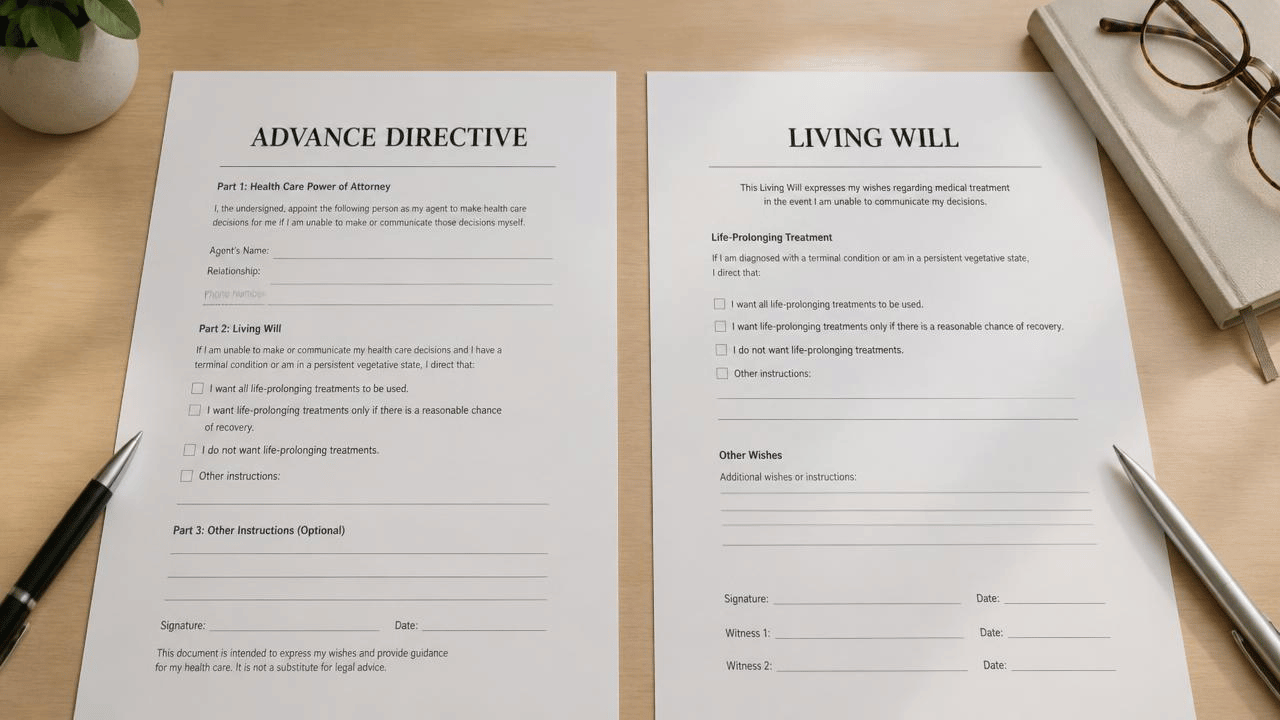
- A health care power of attorney. Who speaks for them medically.
- A living will. What they want, in their own words, while they can still say it.
- A financial durable power of attorney. Who handles bills, bank accounts, and the hundred small things that will start slipping.
- A HIPAA authorization. So doctors can actually talk to the people helping.
In Arizona, health care documents need a notary or one qualified adult witness. The Attorney General's office offers free Life Care Planning forms. The financial power of attorney is stricter. It needs both a notary and a witness, and it has to say in writing that it stays in effect if your person loses capacity. You don't legally need a lawyer for it. But after a dementia diagnosis, with ALTCS and long-term care costs likely down the road, an elder law attorney is worth the money. Talk with one. Soon.
If the window has already closed, the road gets harder. It can mean guardianship or conservatorship through the court. That's slower, more expensive, and more public. I'm telling you so you don't wait.
Have the conversation now, not later
Ask what matters to them. Where they want to live. What a good day looks like. What they're afraid of. Write it down. Record it if they'll let you.
Please record it. I didn't. I thought there would be time. Then cancer treatment took my husband's voice, and the way he said things went with it. I would give a lot to hear him say one ordinary sentence again.
Later, you will be making decisions for someone who can no longer tell you what they want. Their own words, from today, will be the thing you hold onto. I know what it's like to love someone who is right there and still missing. You want every piece of them you can keep.
Find out how care will be paid for
Dementia care is long and it is expensive. Medicare generally does not pay for ongoing custodial care. In Arizona, the Medicaid program for long-term care is called ALTCS, the Arizona Long Term Care System. Eligibility has medical and financial rules, and the financial side can take planning. Learn the basics early, even if you think you'll never need it. Plenty of people who were sure they'd never need it ended up needing it.
Get support for the person doing the caring
The Alzheimer's Association runs a free 24/7 helpline at 800-272-3900, and its Desert Southwest Chapter serves Arizona with support groups and care consultations. Use them. Caregivers burn out quietly. They keep going right up until the day they can't.
Start tracking things now
Medications. Appointments. Changes in mood, sleep, appetite. Falls. The odd thing they said on Tuesday. You think you'll remember. You won't. I built a whole tracking system because I didn't, and I needed it. With my husband, it was his blood oxygen levels. They were critical in his case, and I could not hold all those numbers in my head on top of everything else. A doctor would ask, and I'd be standing there trying to remember Tuesday from Wednesday. Writing them down was the only way I could keep up. It's part of my Caregiver Guides Bundle, alongside Right There and Still Missing.
You don't have to do all of it this week
Do the legal documents first. Everything else can come in order. If you want someone to walk through this with you and your person, step by step, book a free 20-minute call. I've been where you're standing. I'd be glad to help.
This article is educational and is not legal or medical advice. Talk with an Arizona elder law attorney and your medical team about your specific situation.
I'm Jennifer Michaels, CDP®, founder of GuideWyze. I learned most of this the hard way. Now I help families do it with a little less guesswork.