Can You Get Paid to Care for a Family Member in Arizona?

6 min read
Nobody tells you what caregiving costs until you're already paying it. The hours you cut at work. The job you quit. The retirement account you dip into. The groceries, the pull-ups, the copays, the gas to every appointment.
So here's the short answer to the question a lot of you are quietly asking. Yes, in some cases you can get paid, or get real money toward care, for looking after someone you love in Arizona. Not always. Not easily. But more often than most people think.
There are three main doors: ALTCS, Arizona's Medicaid long-term care program; GUIDE, a newer Medicare program for dementia; and the VA, for families caring for a veteran. Here's what each one does and doesn't do.
ALTCS: Arizona can pay family, even spouses
This is the big one, and Arizona is unusual. Through ALTCS, the Arizona Long Term Care System, family members can be paid to provide care at home. And Arizona is one of the few states that will pay a spouse. In most states, if you're married to the person, you're expected to do it for free.
What it takes:
- Your person has to qualify for ALTCS. That means meeting both medical rules (they need a nursing-home level of care) and financial rules (income and assets under the limits). The financial part is where most families get stuck, and where an elder law attorney earns their fee.
- You have to meet the caregiver requirements. Family caregivers have to complete training, just like other caregivers do.
- There are limits on hours. A paid spouse is capped at 40 hours of care a week. The actual number of hours gets set by your person's ALTCS case manager.
- Pay doesn't come straight from the state. Family caregivers are usually hired through an ALTCS-contracted agency or a self-directed care option.
One thing to check before you sign up. Getting paid raises your income, and that can change other benefits you or your household get. Arizona's own spouse caregiver form tells families to talk about this first. Ask before you start, not after.
I don't process ALTCS applications. This is one I always send to an elder law attorney. The rules are detailed, the look-back on assets is real, and a mistake can cost you months.
Medicare GUIDE: money for a break, if dementia is in your house
GUIDE stands for Guiding an Improved Dementia Experience. It's a Medicare program built for people living with dementia and the unpaid family members caring for them.
It doesn't pay you a wage. What it does is pay for someone else to step in, so you can sleep, see your own doctor, or just sit in your car in a parking lot and breathe for an hour.
What it includes:
- Care coordination, so someone helps you manage the whole picture
- Caregiver training, education, and support
- A 24/7 support line
- Respite money, roughly $2,500 to $2,700 a year depending on the provider and the year, for in-home help or adult day programs
Who generally qualifies:
- Someone with a dementia diagnosis
- On traditional Medicare, Parts A and B. Medicare Advantage plans aren't eligible.
- Living at home, not in a nursing home, and not on hospice
- The respite money is for people with moderate or severe dementia who have a caregiver
There's no out-of-pocket cost. The catch is that you have to enroll through a GUIDE provider, and not every area has one. Ask your doctor or your person's neurologist whether they participate, or know someone who does.
The VA: a monthly stipend for caregivers of veterans
If the person you're caring for is a veteran, look at the VA's Program of Comprehensive Assistance for Family Caregivers.
For approved families, it pays a monthly stipend to the primary family caregiver. It also comes with health insurance, respite care, and counseling. The rules are strict and tied to the veteran's service-connected disability, and plenty of people get turned down the first time. If you get denied, don't stop there. Ask a veterans service officer to help you apply again.
You apply using VA Form 10-10CG, which the veteran and the caregiver fill out together.
Other help worth asking about
- Long-term care insurance. If your person has a policy, read the fine print or call the company. Some policies will pay a family member, and some won't.
- The Arizona Family Caregiver Reimbursement Program. It may reimburse up to $1,000 for things like home modifications and assistive devices. It's not a paycheck, but it helps.
- Paid family leave through your employer. Check what your job offers before you quit to care for someone. Once you leave, that door closes.
Before you apply for anything
Every one of these programs asks the same question in a different way: who is allowed to speak for this person, and what do they want?
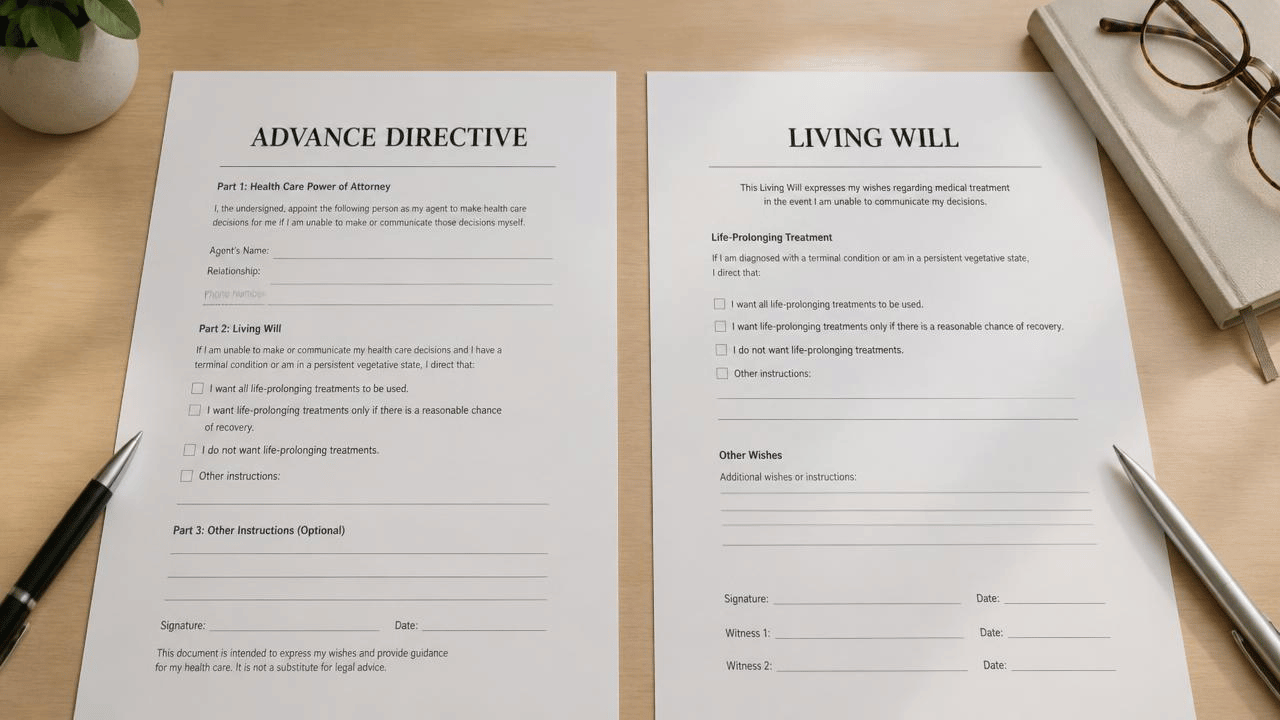
If your person can't sign forms anymore, and nobody holds a health care power of attorney or a durable financial power of attorney, the applications get much harder. Sometimes they stall completely until a court appoints someone. That can take months you don't have.
So get the paperwork in place first, while your person can still sign it. Then go after the money.
Where to start
- For ALTCS: talk to an Arizona elder law attorney before you apply.
- For GUIDE: ask your person's doctor whether they offer it, or know a provider who does.
- For the VA: contact a veterans service officer. Their help is free.
- For the planning that makes all of it easier: book a Guided Planning Session with me, or start with the free Emergency Care Kit.
I'm not an attorney, and this isn't legal or financial advice. Program rules and amounts change, so check the details with each program before you count on them.
You've been doing this for love. It's okay to ask for help paying for it.
Sources
- AHCCCS: Arizona Long Term Care System (ALTCS)
- JacksonWhite: How Much Does ALTCS Pay Caregivers?
- Arizona DES: Spouse Attendant Care Acknowledgment of Understanding
I'm Jennifer Michaels, CDP®, founder of GuideWyze. I learned most of this the hard way. Now I help families do it with a little less guesswork.