How to Choose a Health Care Agent in Arizona

The person you name as your health care agent is the person who will stand in a hospital hallway and speak for you when you can't. Pick them like that's the job. Because it is.
Most people pick the oldest child. Or the spouse, by default. Or whoever happened to be in the room when the lawyer asked. I understand. Nobody wants to rank their kids. But this isn't a popularity contest, and it isn't a reward. It's an assignment.
What Arizona actually requires
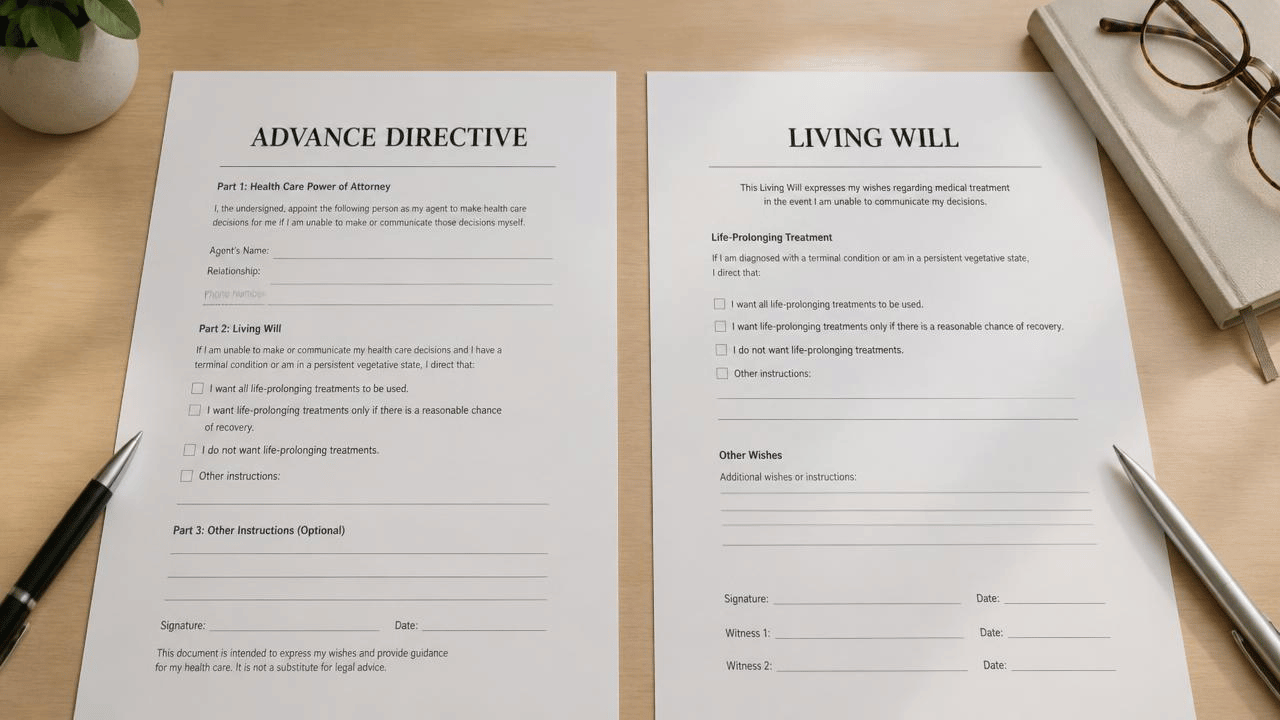
In Arizona, your agent is named in a health care power of attorney under A.R.S. § 36-3221. The rules are simpler than people expect.
- Your agent has to be an adult.
- You sign and date the document.
- It has to be notarized or signed by at least one adult witness who saw you sign and believed you were of sound mind and not under pressure.
- Your agent can't be your witness or your notary. Neither can anyone directly involved in your health care at the time you sign.
- If you use only one witness, that person can't be related to you by blood, marriage, or adoption, and can't be someone who stands to inherit from you.
That's it. No court. No two doctors. One signature, one witness or a notary, and the right person named on the line.
The questions that matter more than the law
The law tells you who's allowed. It doesn't tell you who's right. Here's what I'd ask.
Can they say something hard out loud? Your agent isn't there to decide what they would want. They're there to say what you want. Sometimes to a doctor. Sometimes to a sibling who is crying and furious. If your person folds under pressure, they will fold at exactly the wrong moment.
Will they pick up the phone? At 2 a.m. On a holiday. From an unknown number. I'm not being dramatic. Hospitals call when they call.
Are they close enough to show up? Phone and video help. But being in the room matters more than anyone admits until they're the one in the chair.
Do they know what you want? Not "kind of." Not "we talked once at Thanksgiving." Do they know how you feel about a feeding tube, a ventilator, going home versus staying in the hospital? If not, that's the next conversation. Not someday. Next.
Can they carry it? Some of the people who love you most can't make these decisions without breaking. That's not a flaw. It's information. Let them love you from the waiting room.
Name a backup. Then name another one.
Your first choice could be sick, traveling, grieving, or gone. Name at least one alternate agent and tell them they're on the list. Being surprised by this role is its own kind of trauma.
Then tell people
A document in a drawer is a secret. Give a copy to your agent. Give one to your doctor. Tell the rest of the family who you chose, and tell them while you're well enough to explain why. It's an awkward conversation. It's far less awkward than the one they'll have without you.
I've watched people inherit decisions they were never prepared to make. I've been one of them. The paperwork takes an afternoon. The not-knowing can take years.
If you want help thinking this through, book a free 20-minute call. We'll sort out who, why, and what they need to know, and get it in writing.
This article is educational and is not legal advice. For legal questions about your situation, talk with an Arizona attorney.
I'm Jennifer Michaels, CDP®, founder of GuideWyze. I learned most of this the hard way. Now I help families do it with a little less guesswork.